
In the fall of last year, I set off on my first-ever safari. It wasn’t to find an encounter with the Big Five in Tanzania. Instead, I was part of the caravan comprised of Volvos along with Volkswagens in Denmark and sped along the narrow, rocky road on our journey toward the Wadden Sea. In the shallow mudflats and water that stretch across the western shore of the Jutland peninsula, I sped off to look for Pacific oysters, which is a lot easier than tracking lions for sure but not less thrilling.
A five-hour “oyster safari” was a top highlight of my road journey. Still, this time, I eschewed Copenhagen, which is awash with a wealth of fine Michelin-starred eateries, and the food scene, which has fewer crowds, fewer gimmicks, and plenty of exciting food options. I traveled across mainland Denmark and found roses in bottles with hand-lettered labels, small-batch charcuterie, chocolate created by figs that were grown in the chocolatier’s gardens, and an abundance of oysters I took home.
Day 1
After landing in Billund, located in central Denmark, I went to the Lego House, designed by the Bjarke Ingels Group for me, to find out more about the famous Danish plaything (Billund was the hometown of Lego creator Ole Kirk Christiansen). The next day, I drove west and then south to the coast. I didn’t look at the prospect of spending three hours in a car, but it went by quickly as I drove past whitewashed farmhouses and fields that were strewn with remnants of the summer’s wildflowers.
My first visit was to Blavand, which is a town located on the swaying Blavandshuk headland. While the city is popular with beach lovers, I was there for a different tourist attraction: Tirpitz, a museum chronicling thousands of years of history in the western part of Denmark. The Ingels Group designed it also designed this structure, set into dunes that are soft and grassy, as well as including a World War II-era bunker right next to it. Interactive exhibits and displays display things like flint tools, flint weapons from the early Danes shi, wrecked objects found on Danish shores, and some of Denmark’s most unlikely calling cards: large golden globs of amber that can be found on beaches.
I had the lunch break at Hr. Skov which is a cafe and specialty food store created by chef Claus Skov in 2007. The products are made from scratch and draw inspiration from the area’s wild plants, as well as berries and mushrooms, and are sold at gourmet markets across the country. I put together a plate of charcuterie and cheeses produced by small regional producers, for example, Gammel Knas, the local equivalent of Havarti, and Smoked meat at the Slagter butchershop Christianen located on the island of Fano, and ales made from the sweet orange sea buckthorn which is a wild plant on Jutland’s western coastline.
After lunch, I drove over to the port town of Esbjerg wh, where I took the ferry to Fano, which is one of three of the Wadden Sea islands. A 12-minute sail brought me to Nordby, which is situated on the Fano’s northeastern coast, and I strolled along the cobblestone streets lined with thatched roof shops selling handmade ceramics as well as wool scarves. I stumbled upon the Kaffehuset, an intimate cafe that serves homemade carrot cake and Ice cream bars from Hansen’s, a storied dairy.
A major draw for those who come to the region can be Henne Kirkeby Kro, which is an 18th-century inn located on the mainland with sprawling gardens that provide the food to its Michelin 2-starred dining establishment. Unfortunately, they were both booked when I was there and upon my return to Esbjerg, I headed to the historic Hjerting Badehotel, which is a classic inn by the sea. The highlights of my meal in the restaurant of the hotel, StrandPavillonen, were a red-deer tenderloin accompanied by picked lingonberries and the deconstructed apple tart topped with caramel and skyr.
Day 2
In the early morning, I set off around 40 miles south towards The Maersk Tower, an Ingels Group-designed observation spot that was revealed in the summer of 2021 during Marsk Camp. Mark Camp. The campground has campsites for motorhomes as well as glamping tents along with an eatery and excursions to forage. The tower’s sculptured double helix from a distance, rising out of the plain green landscape as if it were a frozen tornado. I went up it to have an aerial view of the marshes surrounding it.
When I was able to get back to Earth, I headed off to the Vores Marsk, an establishment that is a restaurant and cooking school located in Tonder. Tonder. With an enormous map that identifies Wadden Sea growers and makers, The shopkeeper cut me several thick pieces of bread. They were an opportunity to purchase fresh-whipped sweet butter and cured pork sausages from the nearby biodynamic farm. After examining the wines of the family-owned Vester Vedsted Vingard, I bought some bottles of Marsk Distillery gin, which is made of burnet rose petals that the proprietor Hans Sjursen had handpicked on the Wadden Sea island of Romo.
After that, the trip to the coast’s eastern end was about 25 miles. In the Hotel Europa, not far from the Aabenraa Fjord, I sat with the chef of the hotel, Sune Axelsen, who explained the history of Kaffebord (“cake tables”) with a miniature Rye cake, topped with fresh whipped cream and berries. The concept dates back to Germany-Austria’s occupation in South Jutland during the Second Schleswig War in 1864. the groups were not able to meet in communal places like pubs to discuss politics, so they planned the fight at their homes with sugary sweets and coffee.
Day 3
Breakfast was traditional breakfast that included fried herring as well as cow’s cow’s cow’s cow’s cow’s-milk cheese; I drove around 1 hour and a half back towards Wadden Sea National Park on the west coast. The park’s six acres are named after the world’s largest Tidal-flat system, a UNESCO World Heritage site that stretches across the Netherlands through Germany to the north towards Denmark (some 300 miles along the coast) and is marked by large swaths of Sand mudflats, and marsh.
My oyster safari began at The Wadden Sea Center, a modern glass structure created by Danish architect Dorte Mandrup. It is partly covered in Reeds, a nod to the region’s traditional thatched-roof houses.
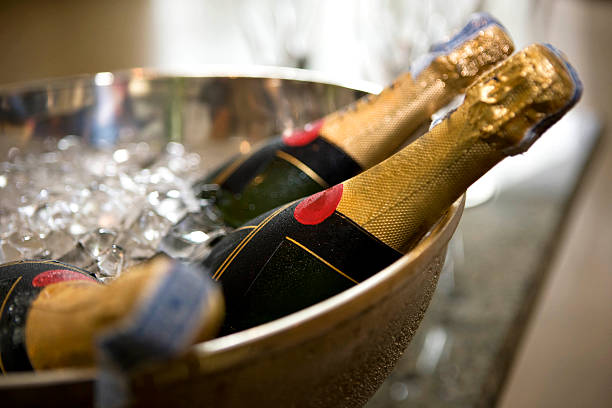
In waders, dressed in a t-shirt and carrying buckets, my group of twelve individuals, accompanied by biologist Emil Vesterager, began the oyster-colony trek, about four miles of walking out to sea across the mudflats, which are separated by narrow passages of swift, waist-deep waters. After about two hours, we landed at an island with long, grey Pacific oysters laid out as if they were a seafood buffet in nature. Because these oysters are an extinct kind of fish, we were asked to bring home as numerous as we could. Our group dispersed across the banks, and a few of us began to shuck. A tourist from Berlin offered to bring us a bottle of champagne she had brought, and we all drank it in purple plastic flutes.
The next evening, I checked into my personal favorite of the journey, which is that of the Lustrup Farmhouse, which is located in the middle of green fields and lush gardens 15 minutes from the park’s entrance. The owner, Janni Fenn, who runs the farm along with her husband, Alex, was shown my home, which is a bright second-floor apartment with a kitchen stocked with local butter, coffee, and chocolate milk. It created a cozy haven after an intense day.
Day 4
When I got up, there was a pot of warm, delicious pastries Fenn left on my doorstep. The next day, I’d travel to Vejle, which is a town situated at the head of Vejle Fjord, famous for its art galleries, modern architecture, cutting-edge buildings, and Michelin-starred restaurants. However, first, I spent my morning in Ribe, the oldest town in Denmark.
In Temper Chokolade, situated in the city’s central area, Timothy Ibbitson creates glistening bonbons made with licorice root alpine strawberry, and an assortment of fruits and herbs, which he cultivates himself and showcases like jewels in the vibrant cafe. Ibbitson demanded I go for the gelato, which he creates with the ingredients that surround him, including Milk from the dairy a couple of miles away and sour cherries that he chooses together with his family every summer. It was a chilly autumn day, and I jumped at the cone and headed my way.


