
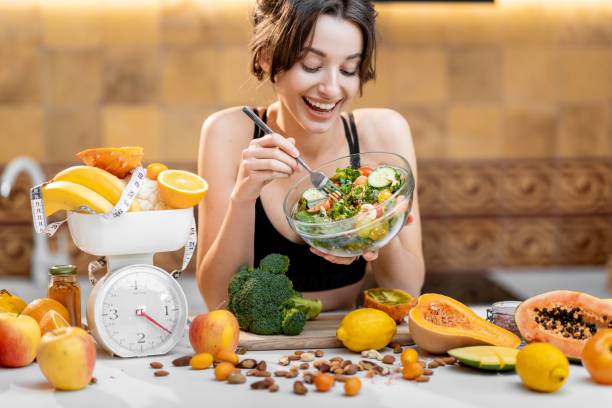
No matter if you’re parenting a toddler or a teenager, Here are five ways to boost the quality of your food and promote healthy eating habits:
- Enjoy regular family meals.
- Serve a wide selection of healthy snacks and foods.
- You can be a role model for others by eating a healthy diet.
- Avoid fighting regarding food.
- Include children throughout the experience.
Eating right can be difficult because your family’s schedule is hectic, and convenience food that is ready-to-eat is easily accessible. However, our suggestions can aid in making these five strategies a part of your hectic household.
Family Meals
Family meals can be a relaxing ritual for parents and children. Kids love the routine of meals with family members, and parents can spend time with their children. Children who participate in regular family meals also:
- More likely to eat fruit as well as vegetables and grains.
- Less likely to consume healthy foods, less likely to use marijuana or drink alcohol
Additionally, family meals allow parents to introduce children to new foods and serve as examples of healthy eating habits.
Teenagers can turn up their eyes at the thought of having a meal with their family. It’s unsurprising that they’re busy and want to become more self-sufficient. However, research shows that teenagers need their parent’s guidance and advice, so make use of mealtime as an opportunity to get back in touch.
You could also try these suggestions:
- Invite a child to a meal.
- Include your child in the planning of meals and meal preparation.
- Maintain a calm, relaxed dining experience No arguments or lectures.
What constitutes family meals? When you and your family members eat together, whether it’s takeaway food or a home-cooked dinner with all the trimmings. Make sure you choose healthy meals and an hour when everyone is present. It could mean having dinner earlier to accommodate a teenager attending a sports practice. This could also be a matter of reserving times on weekends to make it more practical to get together in a group, for example, for a Sunday brunch.
Stock Up on Healthy Foods
Children, particularly the younger ones, are likely to consume food readily available in the home. This is why monitoring the supply lines is crucial – the food you serve at meals and keep on hand to snack on.
Use these basic guidelines:
- Incorporate vegetables and fruits into your daily routine and aim for a minimum of five servings daily. Make sure to serve fruits or vegetables with every meal.
- Let kids pick nutritious snacks by having fruits and vegetables available and ready to take in. Other healthy snacks are low-fat yogurt, celery, peanut butter, whole-grain crackers, and cheese.
- Serve lean cuts of meat and other good protein sources, like eggs, fish, beans, nuts, and various foods.
- Make sure you choose whole-grain cereals and bread, so your children can have more excellent fiber.
- Reduce your fat intake by avoiding fried foods and using healthier cooking techniques like broiling, grilling, roasting, or steaming. Select low-fat or nonfat dairy items.
- Reduce fast food and snacks with low nutritional value, like candy and chips. However, keep the foods you love in your kitchen. Instead, consider making these “once-in-a-while” foods so kids don’t feel missing out.
- Avoid sugary drinks such as soda and drinks with fruit flavors. Serve water or low-fat milk instead.
Be a Role Model
The best way to inspire healthy eating habits is to ensure you eat healthy. Children will follow the example of their parents daily. You’ll be sending the correct message if you eat fruits and vegetables and refrain from overindulging in more unhealthy foods.
Another method to be a great role model is serving the right portions and not overeating. Discuss your feelings of feeling full, especially with young children. You could think, “This is delicious, but I’m full, so I’m going to stop eating.” In the same way, parents who constantly diet or blame their bodies can instill these negative attitudes in their children. Keep a positive attitude about food.
Don’t Battle Over Food
Food can easily be a source of conflict. Parents with good intentions may end up bargaining with their children or making them pay to let them eat the right food. The best approach is to allow children some autonomy and restrict the type of food they can consume at home.
Kids must decide when they’re hungry, what they’ll consume from the food served, and when they’re satisfied. Parents determine what food items are offered to their children during mealtimes and between meals. Here are some rules to be aware of:
- Set a regular schedule for snacks and meals. It’s OK to decide not to eat when parents and children know when to expect the next food or snack.
- Do not force children to wash their plates. Doing so teaches children to ignore the feeling of being full.
- Do not bribe or reward children by offering meals. Avoid using dessert as a reward for having the food.
- Don’t make use of food as a method to express affection. When you want to show love, offer your kids a hug, a little of your time, or even praise.
Get Kids Involved
Most children will be excited to decide what to cook for dinner. Talk with them about making decisions and preparing the perfect dinner. They may also want to help you shop for ingredients and cook meals. In the grocery store, instruct youngsters to look over the food labels to help them understand what you should look for.
If you are in your kitchen, Choose tasks that are age-appropriate to allow children to play confidently without risking injury or becoming overwhelmed.
Lunches at school are a good eating program for children. When you get your kids thinking about what they consume at lunch, you can assist them in changing their habits. Think about the types of food they’d prefer for lunch, or visit the store for groceries to look together for healthy, convenient food items.
Another reason kids should get involved is that it will help prepare them for making good choices about what they’d like to consume. It’s not that they’ll suddenly crave to eat a salad instead of french fries. However, the behaviors you encourage today could result in a healthier future.


